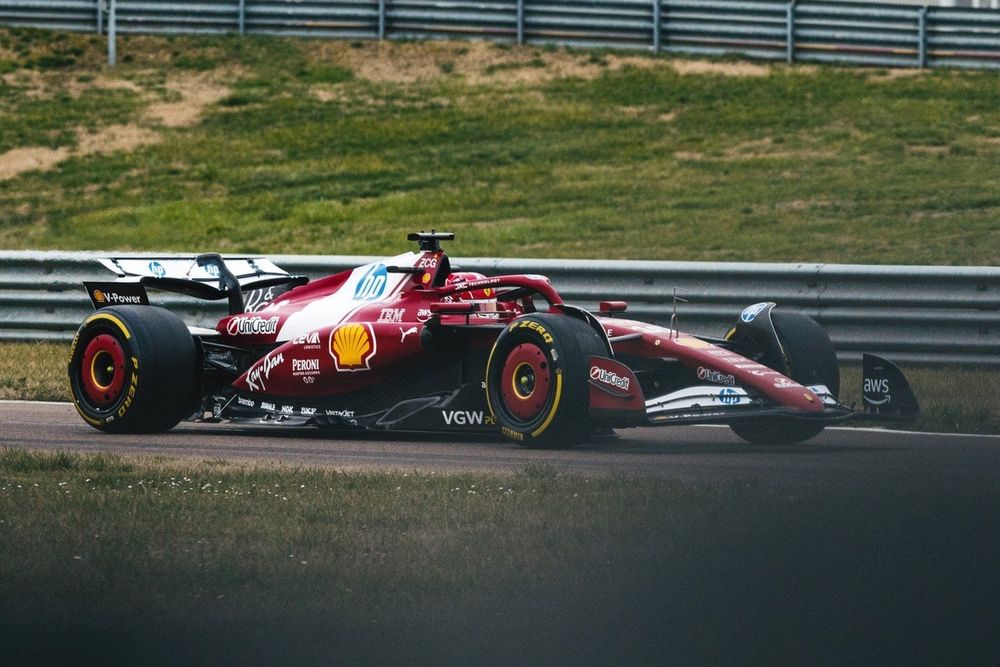

The F1 constructors’ championship is a cornerstone of Formula 1, celebrating engineering excellence and team strategy. Unlike the drivers’ championship, which garners the most attention, the constructors’ title holds significant financial weight. Teams earn prize money based on their final standings, making every point critical for success.
Understanding the F1 Constructors’ Championship
Introduced in 1958, the F1 constructors’ championship rewards the team with the most points in a season. Points are calculated based on the performances of both drivers representing a team. For instance, in 2024, McLaren secured its first title since 1998, edging out Ferrari by 14 points. This victory highlighted the importance of balanced driver performance and strategic brilliance. Teams like McLaren succeed by maximizing contributions from both sides of the garage.

Prize Money Allocation in Formula 1
Prize money is a vital revenue stream for F1 teams, distributed based on final rankings in the constructors’ championship. The higher a team finishes, the larger their share of the prize pot. In 2024, McLaren earned approximately $140 million for its top placement, while Sauber, finishing last, secured about $60 million. This financial disparity highlights the importance of competitive consistency throughout the season.
Additional payments further enrich certain teams. Ferrari, for instance, receives a historical bonus for its unbroken participation since F1’s inception. Such legacy payments, coupled with bonuses for past championships, provide top teams with a financial advantage. These extra funds often translate into better development resources, creating a cycle of competitive dominance.
Importance of Strong Driver Pairings
Success in the constructors’ championship depends on consistent performances from both drivers. Each race contributes valuable points that shape a team’s final position. Red Bull’s 2024 campaign underscored the importance of balanced contributions. While Max Verstappen’s stellar performances kept the team in contention, Sergio Perez’s struggles cost them critical points, relegating the team to third place. In contrast, McLaren’s harmonious driver pairing of Lando Norris and Oscar Piastri helped secure the title.
Teams with strong driver pairings not only achieve better results but also minimize risks associated with uneven performances. A reliable second driver ensures that the team maximizes its points potential across the season, a crucial factor in the highly competitive F1 environment.

The Role of Points in Earnings
Every point matters in Formula 1. Teams earn championship points through race finishes, which directly influence their share of prize money. In 2024, McLaren’s consistent scoring allowed it to edge Ferrari and Red Bull in a tightly contested battle. The top three teams’ financial rewards reflected their success, but even mid-field teams like Alpine and Aston Martin benefited from consistent scoring to secure respectable payouts.
Lower-ranked teams also understand the importance of points, as even minor improvements in standings yield significant financial benefits. Williams and Haas, for example, rely heavily on their share of the prize pot to fund their operations and development programs.
Financial Framework: The Concorde Agreement
The Concorde Agreement governs Formula 1’s financial structure, outlining how revenue is distributed among teams. Approximately 45% of Formula 1’s commercial profits form the prize pool, which is then divided based on final standings. While top teams like McLaren and Ferrari earn the lion’s share, all teams benefit from the structure, ensuring a minimum level of funding.
Legacy bonuses and championship rewards create additional a. Ferrari’s historical payments, for instance, provide a consistent advantage, while teams like Red Bull and Mercedes benefit from their recent successes. However, the competitive nature of Formula 1 ensures that any team has the potential to improve its financial position with strong performances.
This system highlights the intricate balance of financial rewards and competitive results that define the F1 constructors’ championship. Every race, every point, and every strategic decision can shape a team’s fortune on and off the track.