
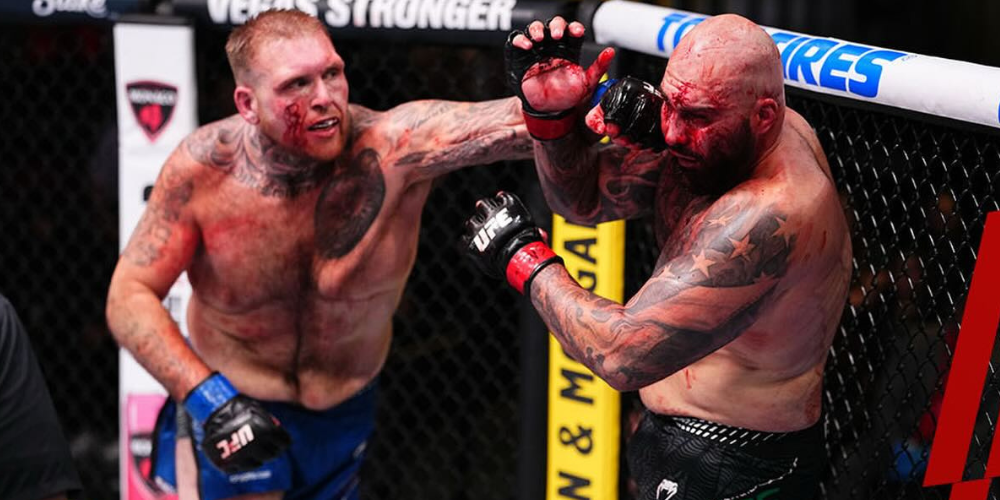
Why MMA Feels Less Exciting Today and What’s Really Behind It
The UFC calendar has slowed, leaving a noticeable gap for fans used to constant fight nights. When the schedule goes quiet, attention shifts from individual matchups to the bigger picture. Questions surface about excitement, fighter quality, championship value, and the long-term health of the sport.
This discussion breaks down why MMA feels different right now, what drives those changes, and whether the future offers real reasons for optimism.
Is MMA Actually Less Fun Than Before?
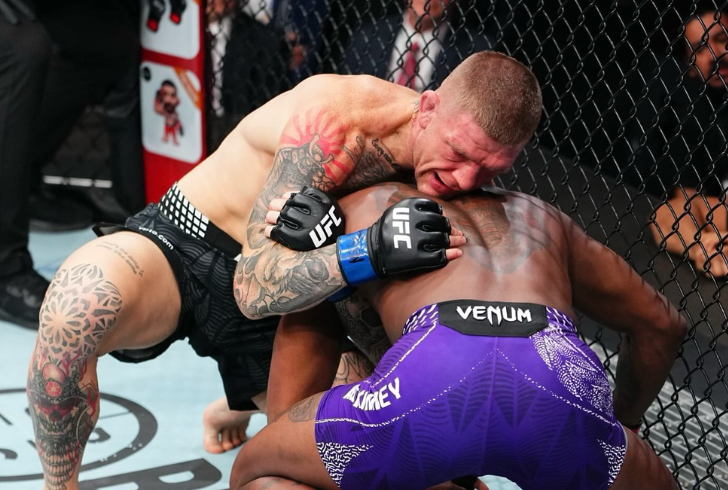
Instagram | ufc | Structural and financial priorities are cooling the excitement of MMA for long-term fans.
Fun depends on perspective, yet trends across the sport point toward a colder answer. Three years from now, MMA is unlikely to feel more thrilling for long-time fans. The issue does not rest on fight quality alone. It ties directly to structure, incentives, and business priorities that shape how the sport operates.
The UFC controls the MMA market. That dominance brings consistency, but it also removes pressure to improve. Once competition fades, urgency fades too. The organization still delivers solid fights, yet the spark that once pushed creativity and risk has dimmed. Hardcore fans notice the difference right away.
Dana White often says fighters lose hunger after financial success. The same logic applies to organizations. The UFC has already won the sport. Revenue remains steady, audiences keep tuning in, and the brand stays strong. With that stability in place, there is little reason to chase innovation that only satisfies a smaller segment of the fanbase.
Why the UFC Benefits From Playing It Safe
The business model rewards efficiency over spectacle. Holding events at the UFC APEX saves money, even though the viewing experience feels flat. Travel schedules shrink because host cities now pay to bring the UFC in. Fighters rotate faster because Contender Series contracts replace established talent at a lower cost.
Quantity replaces depth. The product keeps moving, but the overall level drops. This approach mirrors fast food logic. The goal stays consistency, not excellence. As a result, the sport loses texture, even while remaining profitable.
Conor McGregor changed everything. His rise pushed MMA into mainstream culture and hinted at a future where fighters held more leverage. Instead, the opposite happened. McGregor grew larger than the brand, and the UFC responded by making sure that never happened again. Star power now takes a back seat to logo power, which explains the current shortage of true needle-movers.
Fighter Pay and the Shrinking Talent Pool
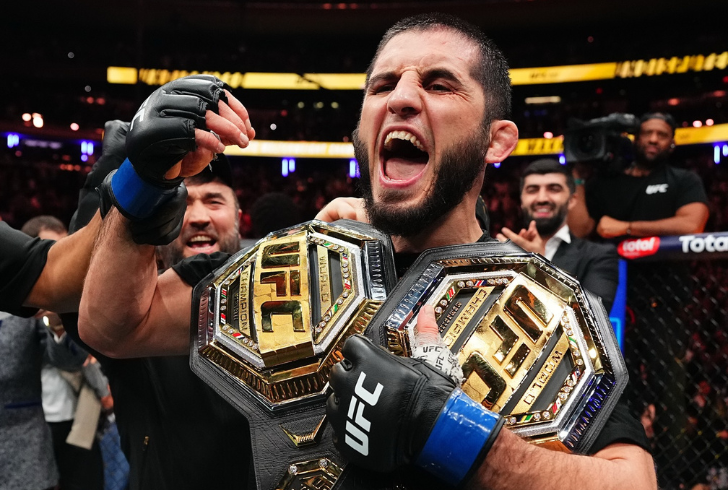
Instagram | tkogrp | Financial inequity in MMA is pushing elite competitors toward better-paying careers.
Money sits at the center of every issue. MMA pay lags far behind other sports, and that gap drives elite athletes elsewhere. The sport already asks competitors to accept physical damage. Doing so for modest pay makes the choice even harder.
College wrestling once fed MMA with top-tier talent. NIL deals changed that path. An All-American wrestler can now earn six figures in college. That makes a $10,000 to show and $10,000 to win contract far less appealing. As a result, the pipeline narrows, and MMA increasingly draws athletes who ran out of better options.
This reality limits growth. Without better pay and long-term health support, the sport struggles to attract the best competitors available.
Titles in 2026 and the Problem With Champions
Championships once defined the UFC. Today, several belts feel fragile. At least four of the eleven titles lack full credibility.
Francis Ngannou left with the heavyweight belt. Jon Jones and Tom Aspinall never unified that division, leaving questions unanswered. Ilia Topuria captured gold without beating the top lightweight contenders, including Islam Makhachev or even the second-ranked option. Alexander Volkanovski reclaimed a vacant title by beating the number five contender after losing to Topuria. Zhang Weili vacated the strawweight belt, placing Mackenzie Dern at the top of an incomplete picture.
Even Islam Makhachev’s welterweight reign could draw scrutiny if the first defense comes against Kamaru Usman, a matchup that feels disconnected from divisional logic.
These situations exist by design. Matchmaking follows business goals, not strict merit. As long as viewership holds and fighters remain divided, change stays unlikely.
Heavyweight Title Reigns Worth Remembering
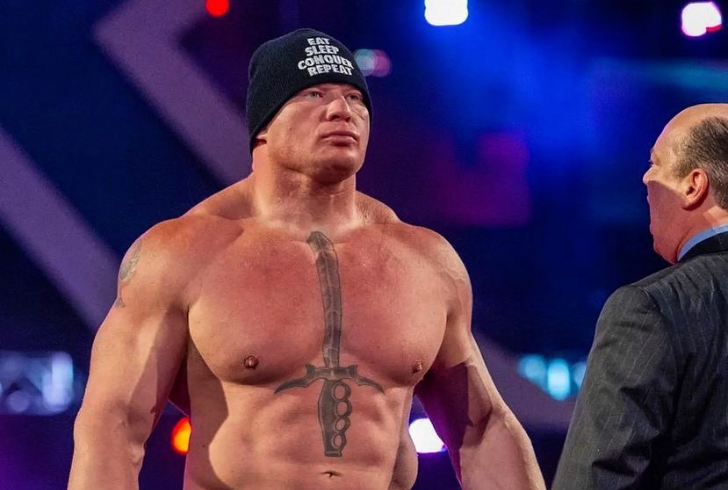
Instagram | brock._.lesnar | Lesnar’s rapid title win and two defenses prove his unparalleled natural dominance.
Outside of Stipe Miocic, no UFC heavyweight reign truly stands out. Several champions defended the belt twice, including Randy Couture, Tim Sylvia, Brock Lesnar, and Cain Velasquez.
Cain Velasquez earns the top spot for pure performance. At his peak, he overwhelmed strong opponents and still ranks as the best heavyweight in terms of ability.
Randy Couture claims the most jaw-dropping achievement. Winning and defending the title at an advanced age, especially against Tim Sylvia, remains one of the sport’s quiet marvels.
Brock Lesnar deserves recognition as well. Winning the belt in his fourth professional fight and defending it twice reflects a level of natural dominance rarely seen.
CTE and the Cost of Entertainment
CTE remains an unavoidable part of combat sports. MMA carries less repeated head trauma than boxing, yet the risk remains serious. Gary Goodridge stands as a stark reminder of the long-term damage fighters can face.
Early-era fighters suffered the most. Limited knowledge, fewer safety measures, and harsher training environments took a heavy toll. Modern fighters operate with better awareness. Athletes like Max Holloway now speak openly about rest after knockouts. Gyms have moved away from constant hard sparring. Progress exists, even if the danger never disappears.
CTE does not affect everyone the same way. Research now suggests multiple factors contribute beyond head trauma alone. Still, the cost fighters pay for entertainment remains high, reinforcing the need for better pay and healthcare protections.
MMA continues to deliver action and maintain relevance, yet the edge feels dulled. Market control, cost-focused decisions, diluted titles, and limited fighter compensation all shape that reality. The UFC product works, but it rarely surprises.
The sport does not lack talent or history. It lacks incentive to evolve. Until competition returns, fighter pay rises, or fans demand more, MMA will likely stay functional rather than thrilling. The fights will continue, the brand will thrive, and the questions about excitement will remain.
More in MMA
-
`
 The Science of Entrance Music in WWE
WWE Superstars are known for their dynamic entrance music, which often becomes an integral part of their on-screen persona. From the...
May 9, 2025 -
`
 A List of the Top-Selling NBA Jerseys for 2025
The top-selling NBA jerseys for 2025 have been revealed. It is no surprise that Stephen Curry remains the undisputed king. Based...
May 7, 2025 -
`
 NFL Great Travis Kelce Aspires to Pursue a Career in Showbiz
Travis Kelce is already a legend on the football field. But now, he is testing his skills in Hollywood. The Kansas...
May 7, 2025 -
`
 The Stories Behind Every Alex Pereira Tattoo!
Alex Pereira, a formidable force in kickboxing and MMA, commands attention not only with his knockout prowess but also through the...
May 5, 2025 -
`
 Billie Jean King Becomes First Female “Sports Entertainment” Star on Hollywood Walk of Fame
Billie Jean King just became the first woman to get a star on the Hollywood Walk of Fame in the “Sports...
May 3, 2025 -
`
 Iconic Pop Star Katy Perry Makes Big F1 Announcement
Katy Perry is switching gears! The pop superstar just made a high-octane announcement on Instagram that has fans revved up. This...
April 25, 2025 -
`
 NFL Ranks Top 10 Safeties
It’s almost time for the NFL season opener between the Kansas City Chiefs and Detroit Lions, which means football fans have...
April 25, 2025 -
`
 Travis Kelce Fans Celebrate Special Moment With Him After Chiefs Game
Travis Kelce fans had an unforgettable experience after the Kansas City Chiefs triumphed over the Cleveland Browns on Sunday, December 15....
April 24, 2025 -
`
 Why Lando Norris Doesn’t Compete Against Max Verstappen
In Formula 1 racing, every move, every decision, and every rivalry is scrutinized. Among the narratives that have intrigued fans and...
April 16, 2025
More From Sportstelly
-
 Bam Adebayo Drops 83 Points in One of the Highest Scoring Games Ever
Bam Adebayo turned an ordinary Tuesday night into a historic evening for the NBA. The Miami Heat star exploded for 83...
NBAMarch 29, 2026 -
 Dana White’s Vision Behind UFC’s Billion-Dollar Success
Mixed martial arts has shifted from a niche spectacle to a mainstream global sport. At the center of that rise stands...
MMAMarch 22, 2026 -
 Lainey Wilson’s Rise to Country Music Fame Captured in Netflix Documentary
Western sports and Western entertainment continue to gain attention beyond traditional arenas. Rodeo broadcasts now reach wider audiences, largely due to...
EntertainmentMarch 15, 2026 -
 Skyler Bell Labeled “Biggest Steal” as 2026 NFL Draft WR Rankings Shift
Elite wide receivers defined the 2025 college football season, and early projections for the 2026 NFL Draft already reflect their impact....
NFLMarch 8, 2026 -
 How NBA Expansion Could Change the Boston Celtics’ Future
The NBA’s long-discussed expansion plans may finally move from rumor to reality. According to Brad Townsend of the Dallas Morning News,...
NBAMarch 1, 2026
You must be logged in to post a comment Login